AquaBioNets Partners review progress and plan the next phase of AquaBioNets Living Labs
On 24–25 February 2026, the AquaBioNets consortium gathered in Larnaca, Cyprus for the 2nd Technical and Steering Committee Meeting, kindly hosted by ANETEL.
The meeting brought together all project partners — University of Zagreb Faculty of Mechanical Engineering and Naval Architecture, ANETEL, MUSOL Foundation, Knowledge Network (MZ), Kito Marine Farm, University of Tirana, Faculty of Natural Sciences and Porto Conte Ricerche — together with the Project Officer from the Interreg Euro-MED Programme.
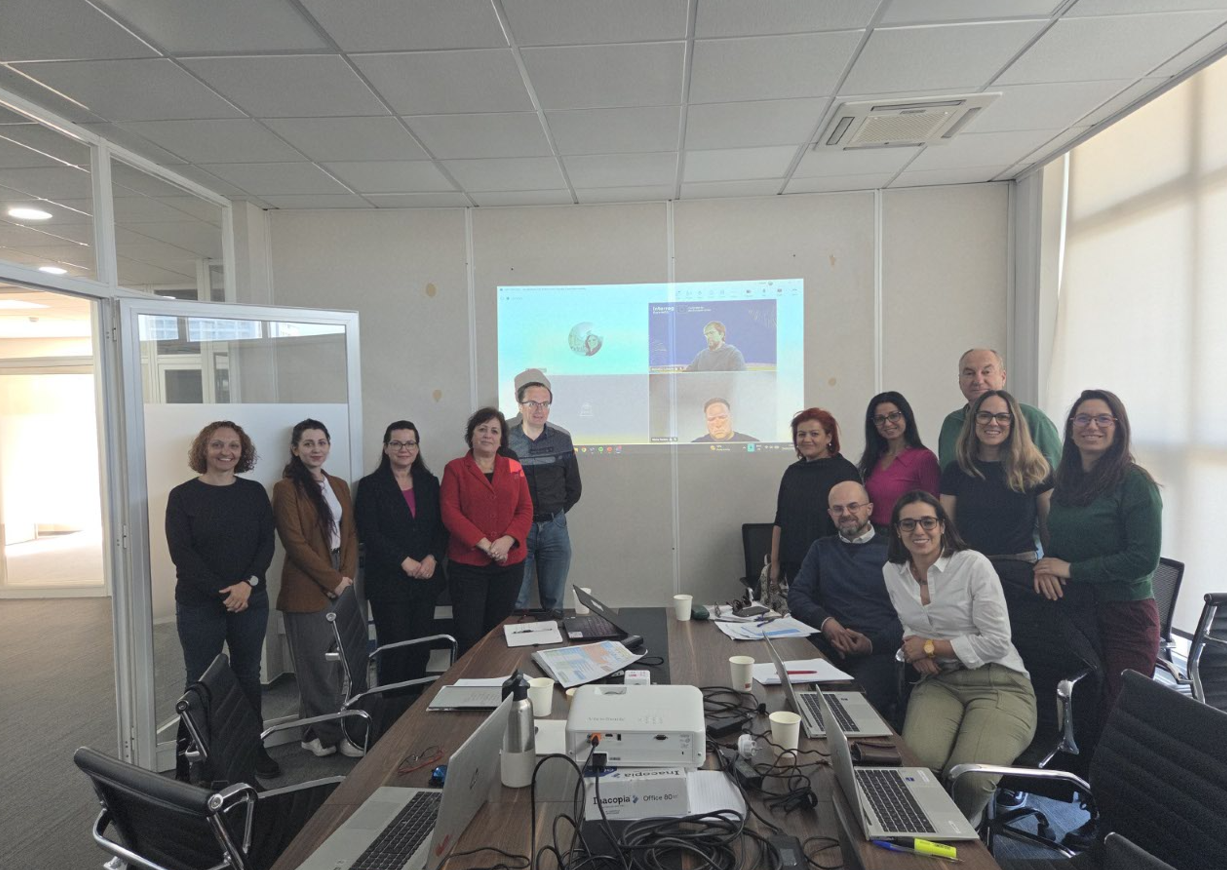
Over two days, partners reviewed project progress, aligned upcoming activities, and further developed the methodology for establishing Living Labs for sustainable aquaculture.
⭐ Progress on biodegradable aquaculture nets
During the technical sessions, partners reviewed the progress of Work Package 1, which focuses on the research and testing of biodegradable materials for aquaculture nets.
Two natural materials — sisal and jute — have been selected for further testing. Laboratory activities are ongoing, while experimental testing will assess the potential impact of these materials on fish metabolism.
Partners also reviewed the project’s carbon footprint monitoring results and discussed ways to further minimise the environmental footprint of project activities.

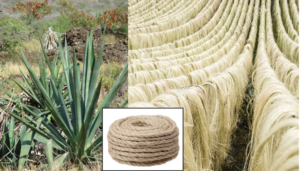
Jute Sisal
⭐ Living Labs for sustainable aquaculture
A central focus of the meeting was the Living Lab methodology, presented by ANETEL. The methodology provides a structured framework for establishing AquaBioNets Living Labs in six partner countries, bringing together actors from across the aquaculture ecosystem.
Through these Living Labs, stakeholders from industry, research, public authorities, civil society and environmental organisations will collaborate to co-create, test and improve innovative solutions for more sustainable aquaculture.
The Living Labs will serve as real-life environments where new approaches — including biodegradable aquaculture nets — can be validated together with sector stakeholders.
⭐ Training activities and International Summer School
Another key discussion focused on the development of education and training activities for aquaculture stakeholders. Partners agreed to jointly design training materials through co-design sessions in the coming months, addressing topics such as regulatory frameworks, funding opportunities and environmental sustainability in aquaculture.
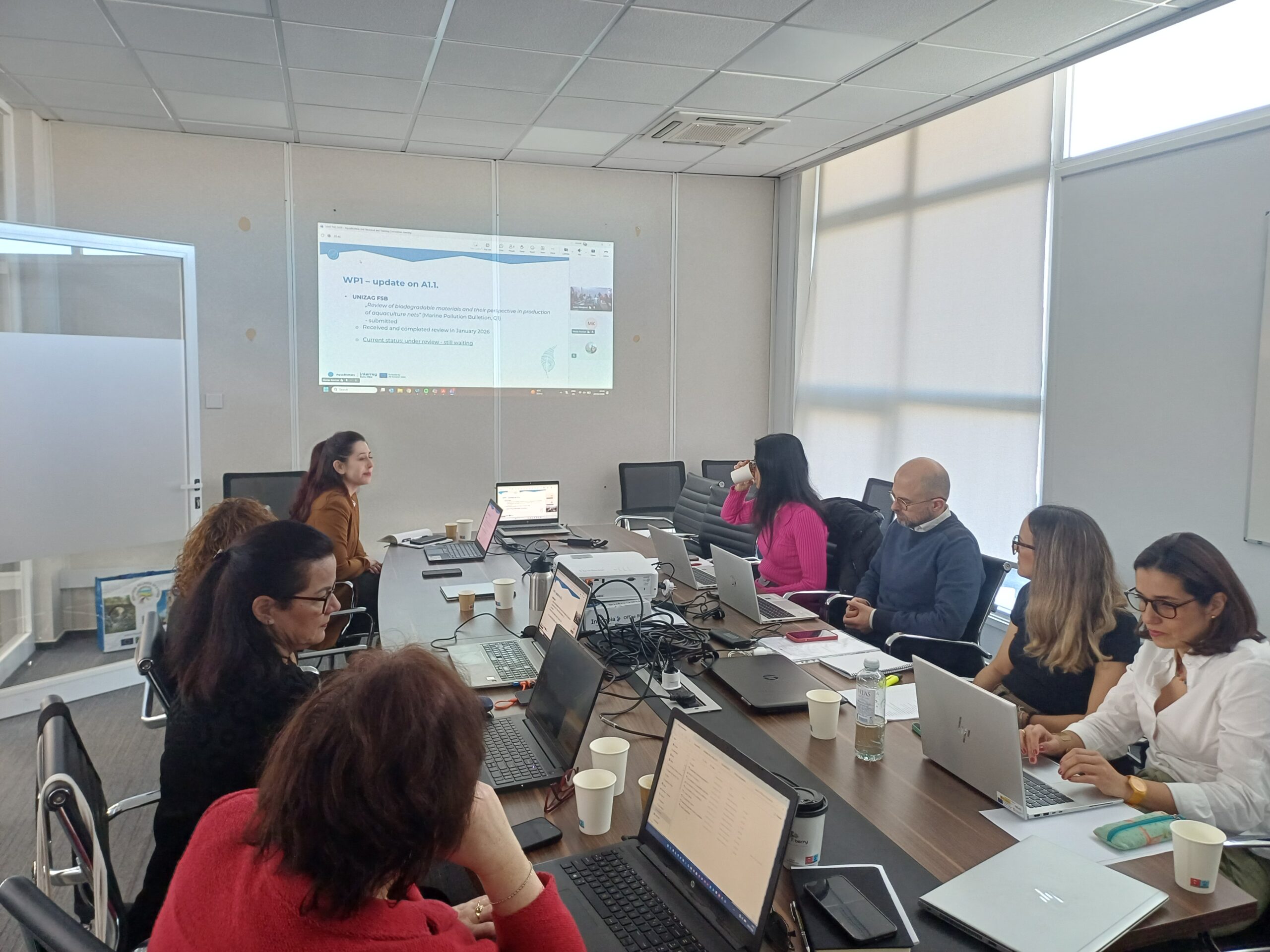
The training sessions will be organised in September 2026 in all partner countries.
In addition, the consortium confirmed the organisation of the AquaBioNets International Summer School, which will take place on 6–8 October 2026 in Alghero, Sardinia, hosted by Porto Conte Ricerche.
⭐ Strengthening project management and quality assurance
During the Steering Committee meeting, partners also reviewed and approved the AquaBioNets Quality Assurance and Risk Management Plan, ensuring a structured framework for project governance, financial management, quality control of deliverables and risk mitigation.
The meeting concluded with a clear roadmap for the next phases of the project and a shared commitment to advancing sustainable aquaculture solutions across the Mediterranean region.